Continuous filtration of suspensions
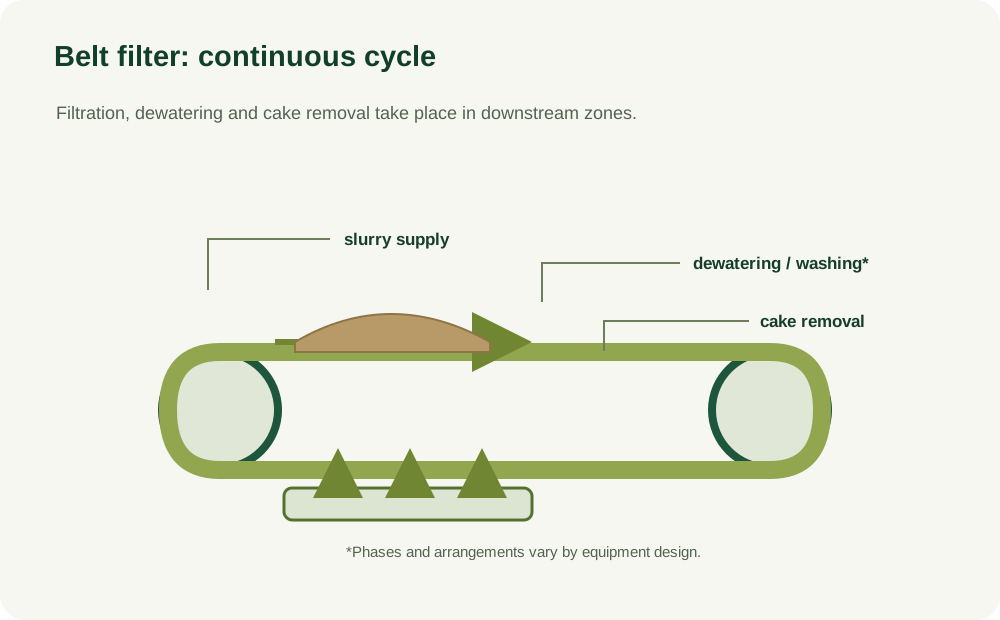
In continuous filtration, the suspension comes to a moving or rotating filter surface. The liquid leaves as a filtrate and the trapped solid particles are continuously drained and removed.
How the process works

A layer of solid particles - a cake - forms on the filter surface. Depending on the equipment, further dewatering, washing or drying may follow, followed by cake removal. The textile moves with the belt or forms the surface of the rotating drum or discs. Drive, negative pressure or pressure difference and the arrangement of individual zones are determined by the design of the particular filter.
Types of Continuous Filters
The type of device determines the shape and movement of the filter surface: the
- belt filter uses an endless belt that passes through the filter and possibly washing zones
- a drum filter separates liquid on the surface of a rotating drum
- disc filter uses a system of rotary filter segments
Depending on the design of the device,endless filter belts, fabric for drum filters are supplied and segments for disc filters.
How to choose a filter fabric
Textiles must match the equipment and the process. The following are important for the design:
- the type of filter and the dimensions of its filtering surface
- the nature of the suspension, particles and chemical and temperature conditions
- required flow rate, filtrate purity and cake dewatering
- washing, regeneration and cake removal method
- fastening, tensioning and possible division of fabric
You can find the range of belts and fabrics in the overviewFabrics for continuous filters. For a specific application, the marking of the device, the drawing of the filter surface and the description of the operating cycle will help.